10 Must SEO Elements to Optimize Business Pages for Better Rankings in 2024
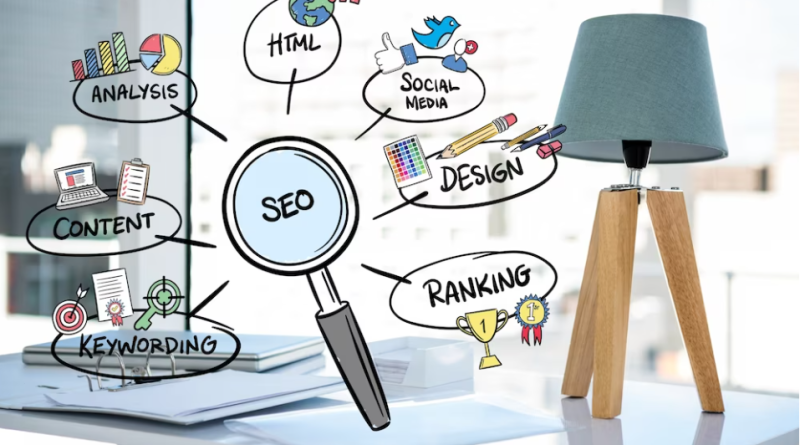
SEO optimization for landing pages involves incorporating relevant keywords, engaging content, clear CTAs, mobile optimization, fast loading speed, user-friendly design, high-quality visuals, schema markup, internal linking and so on. Here are top 10 key SEO elements to consider while optimizing our landing pages that can help improve visibility, user experience and conversion rates for better search engine rankings.
- Word Count: SEO-friendly word count ensures sufficient depth of information while maintaining readability and relevance for search engines. Although word count for business landing pages varies depending on the type of content and its purpose but it advised to have optimal number of word count which can range from 900-1400 words in web content that balances user engagement and search engine visibility.
- Meta & Heading tags Optimization: Proper meta tag & heading tags optimization helps search engines understand the content and purpose of the webpage which helps in improving its organic traffic. Therefore, descriptive & meaningful meta & heading tags needs to be created with proper keywords targeting.
- Meta tag optimization involves strategically crafting meta tags (title, description, keywords) within the HTML of a webpage to enhance its visibility and relevance in search engine results. Therefore, it must to have meta tags optimized with right keywords.
- Heading Tags Optimization: Heading tags optimization entails structuring HTML heading elements (e.g., <h1>, <h2>, <h3>) to organize content hierarchically and improve readability and SEO.
- Mobile optimization: Mobile optimization accommodates the increasing number of users accessing the web through mobile devices. Need to make sure that a website functions effectively and efficiently on mobile devices that includes responsive design, fast loading times, intuitive navigation and touch-friendly elements. Ensure seamless performance and usability on mobile devices to enhance user experience, reduce bounce rate, improves search engine rankings.
- Internal Linking Optimization: Internal linking optimization involves strategically linking pages within a website to improve navigation, user experience and overall SEO. Creating relevant anchor text and linking related pages can helps search engines understand the site’s structure and hierarchy which can ultimately distributes link authority and enhances the discoverability and ranking of important pages within the website. Internal links need to be place with relevant anchors.
- Schema Markup: Schema markup can be used to highlight ratings, reviews, products, etc in search engines which can boost our overall website CTR. Schema markup is a form of microdata that’s added to a website’s HTML to provide search engines with more detailed information about its content. It helps search engines better understand and interpret the content leading to more informative and visually appealing search results for uses.
- Technical Optimization: All the tech issues including core web vitals, 301, 404, broken links, improving mobile-friendliness, ensuring proper URL structure, etc. must be resolved to enhance the website’s visibility and ranking in search results. Optimizing website infrastructure and coding helps improve search engine crawlability, indexability and overall performance.
- Content Optimization: Content needs to be optimized with right set of keywords. Our aim should be to refine the webpage content to make it more relevant, valuable, and engaging for both users and search engines. Creating high-quality and informative content involves deep research about the topics as well as proper keyword research to ensure readability and accessibility to attain good visibility in search engine rankings and better user experience.
- FAQ’s Optimization: Need to add FAQs section on our business landing pages utilizing relevant keywords by organizing logical questions and providing clear and concise answers. This will help enhance user experience and search engine visibility. Optimized FAQs can improve website usability and attract targeted organic traffic.
- UI/UX Optimization: User journey and UI needs to be optimized as per trends. Focus on enhancing user interface (UI) and user experience (UX) design elements of a landing page by improving usability, accessibility and overall satisfaction for users by optimizing layout, navigation, visual design and interactive elements. Effective UI/UX optimization leads to increased engagement, retention, and conversion rates.
- CTA Optimization: Include compelling calls-to-action (CTAs) to guide visitors toward desired actions. CTA (Call-to-Action) optimization involves strategically designing and placing compelling prompts within content or webpages to encourage specific user actions, such as signing up, making a purchase, or subscribing. Effective CTA optimization focuses on clarity, relevance, visibility, and persuasiveness to drive desired conversions and engagement.